Direct contact
Smell materials on blotters, in dilution and alongside other materials. Repeated encounters help you notice what changes—and what remains.

Artisan Valley / Practice & Tools
Learning perfumery begins with attention: smelling materials, comparing what you notice, and understanding how a fragrance takes shape. This page offers a place to begin—and tools to continue exploring.
Begin with smelling ↓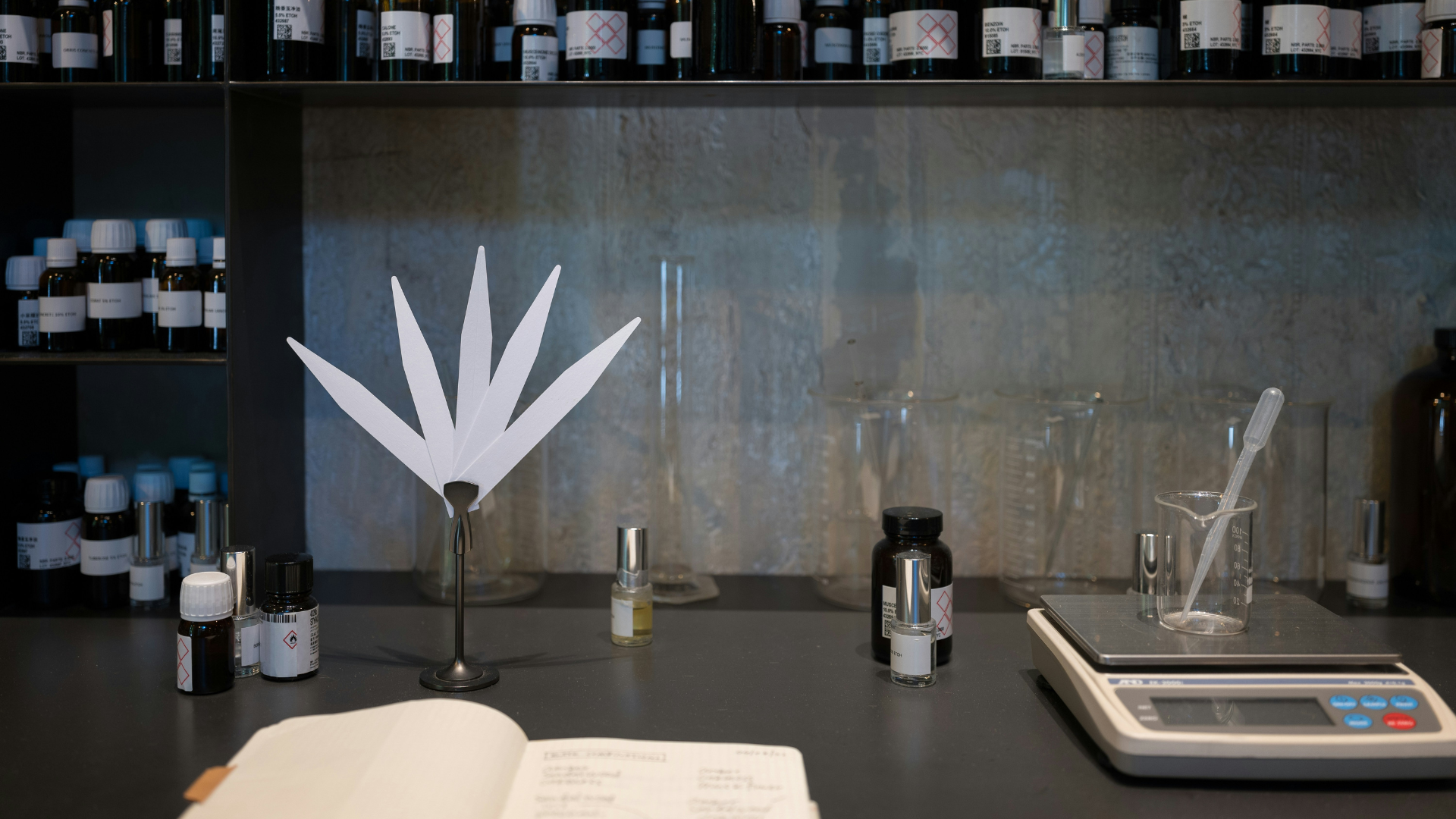
Start with the material itself. Smell it on its own, compare it with others, and notice how its character changes over time. With practice, qualities such as strength, diffusion and texture begin to form a useful vocabulary—not a list to memorise.
Smell materials on blotters, in dilution and alongside other materials. Repeated encounters help you notice what changes—and what remains.
Smell related and contrasting materials side by side. Differences that are difficult to notice alone often become clearer through comparison.
Write down what you notice, then return to the material later. Notes support memory, but they never replace smelling again.
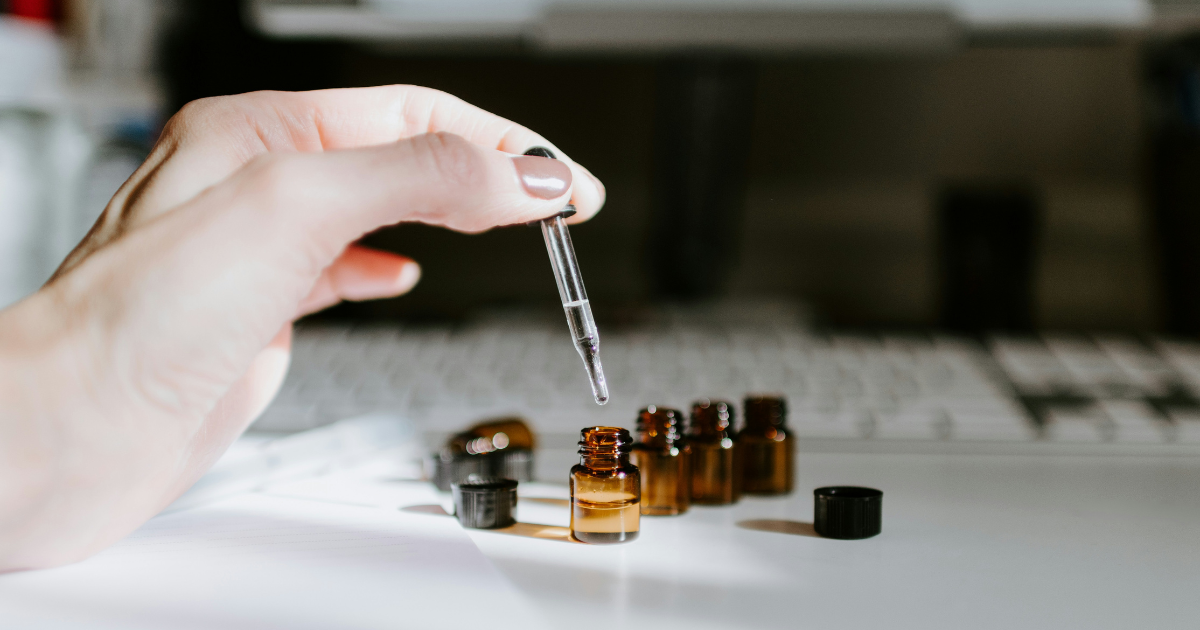
A formula brings materials into relationship. By changing an amount, replacing a material or trying the composition again, you begin to see how each decision affects the whole.
Each trial gives information. What becomes clearer? What disappears? What feels out of balance? Iteration is not simply correcting a failure—it is how a fragrance develops.
These tools extend the same habits used at the smelling table: comparing, organising, questioning and making a more deliberate next decision.
A guided tool for comparing structural musk materials and considering how each may support the direction of a formula.
An interactive assistant created by Kenji Chanthapoon for exploring fragrance materials, formulation questions and possible directions for further study.
Internal Practice & Tools Candidate. Final public copy, tool availability, imagery and external links require separate Human confirmation.